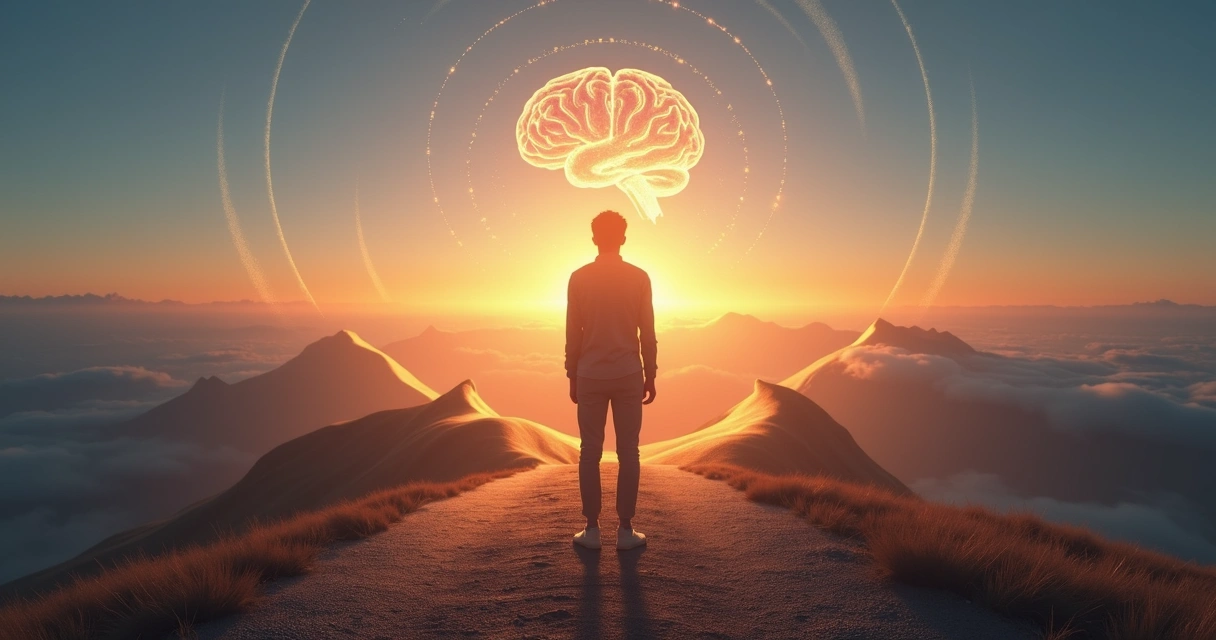
In our daily lives, decision-making shapes everything. Yet, so many of our decisions are made without thinking. They rise from our habits or emerge quickly as knee-jerk reactions to challenges. But what if there’s a deeper, more integrated way, one where the mind, heart, and wider awareness work together, leading us past old patterns? We believe there is. Here, we share how we see integral decision-making as the pathway beyond reactivity and into true conscious choice.
Recognizing reactive patterns in decisions
Have you ever looked back at a choice and wondered, “Was that really me?” In our experience, this happens often because much of what we choose is driven by automatic responses, behaviors rooted in old beliefs, emotional triggers, or the pressure of the moment.
- Reacting defensively during conflict, even when the issue is minor.
- Saying “yes” out of habit, rather than genuine agreement.
- Deferring to group pressure instead of pausing to reflect.
When we are stuck in these patterns, we notice we give up a part of our true agency. The decisions we make reactively often serve to protect or avoid, not to choose what most aligns with who we aspire to become.
Awareness begins with noticing the pull of the automatic.
The anatomy of integral decision-making
What does it mean to decide “integrally?” We see it as a process that honors the complexity within us. It recognizes that mind, emotion, body, and context are interwoven, not isolated. We move forward by considering four interconnected facets:
- Awareness, Observing our internal state and the factors influencing us before deciding.
- Reflection, Taking time to step back, ask questions, and untangle the web of influences.
- Alignment, Considering values, intentions, and long-term direction.
- Action, Choosing and acting, with openness to feedback and learning.
When these elements combine, our decisions are no longer the result of blind impulse, but of integrated presence. We feel more authentic in our choices, and the results speak for themselves.
Moving from reaction to integration: Practical steps
We know shifting old habits takes more than theory. In our research and work with individuals and groups, three key practices help us all move beyond reactivity:
Cultivating present-moment awareness
Before any decision, simply stop and check in. A few questions can anchor awareness:
- What am I feeling in this moment?
- Is my breath slow or fast?
- What story am I telling myself about what’s happening?
This short pause allows us to notice the early signs of reactive patterns. Over time, it becomes easier to step back from immediate action and invite a fuller perspective.

Asking deeper questions
When we face choices, it helps to go beyond the surface reasons. We often pause and invite questions like:
- What value or purpose is truly at stake here?
- Am I seeking to avoid discomfort or move toward what matters?
- Whose voice is loudest in my mind, mine, or someone else’s?
These questions don’t just slow us down, they wake us up to a broader view that reactivity can never tap into.
Connecting with our values and long-term vision
In our experience, decisions anchored in values feel very different. Even small choices carry a sense of purpose. We encourage ourselves, and those we work with, to connect with a bigger vision:
- What kind of relationship am I building, with myself and others?
- Does this choice build the future I wish to see?
With this clarity, sudden demands and passing moods have less control over what we do next.

Challenges on the path to integration
Of course, we have seen that this approach asks for patience. Old habits push back. Sometimes, the pressure to respond quickly or please others sneaks in. We have fallen into these traps many times ourselves.
- Time pressure: Quick decisions may feel easier, but we remind ourselves that meaningful choices deserve a pause.
- Emotional triggers: Strong feelings, like anger or anxiety, can cloud our best intentions.
- Uncertainty: Not knowing the outcome can tempt us to fall back on habitual responses.
We find it helpful to accept that being “integral” doesn’t mean perfect. It’s a living process. Each moment is a new chance to bring more presence to how we decide, act, and relate.
Clarity grows when we bring patience and self-kindness to the struggle.
The ripple effects of integrated choices
When decision-making becomes more integrated, its ripple spreads outward. We observe:
- Stronger relationships, as choices are made with respect and understanding.
- Less regret, since actions are aligned with values, not old habits.
- Greater confidence, as we grow to trust ourselves through honest reflection.
We have found that integral decision-making is not just about results, it’s about who we become in the process. Our lives, work, and communities reflect the maturity and care we bring to every choice.
Conclusion
Moving beyond reactive patterns does not come all at once. We have seen it as a gentle shift, a muscle that strengthens each day. Through awareness, honest questioning, and long-term vision, we discover new ways of choosing. Our decisions become more than just options, they become true expressions of who we are, and who we are becoming. Every moment, we have another chance to practice.
Frequently asked questions
What is integral decision-making?
Integral decision-making is a process where we bring together our thoughts, emotions, values, and context to make choices that reflect the whole of who we are. It means moving beyond automatic reactions to act with greater self-awareness and alignment.
How is it different from reactive patterns?
Reactive patterns come from habit, emotion, or unconscious belief. In contrast, integral decision-making invites us to pause, reflect, and connect with deeper purpose before acting. It’s an approach where we shape our lives intentionally, rather than being shaped by old routines.
Why use integral decision-making methods?
We choose integral methods because they help us align actions with what matters most. With these methods, our relationships improve, choices carry more meaning, and regrets fade. Such methods help us grow into greater clarity, responsibility, and well-being.
How can I start using this approach?
Start by pausing before decisions. Ask yourself what you are feeling, what values are guiding you, and how the choice fits your bigger picture. Reflect on your typical triggers or urges and consider where they might come from. Over time, this pause will become more natural, and integrated choices will follow.
What are the benefits of this method?
Benefits include deeper self-knowledge, stronger relationships, and a sense of authenticity in daily life. People who use this approach often find they waste less energy on regret and feel more confident navigating challenges. Ultimately, integral decision-making helps transform routine reactions into pathways of growth and conscious living.