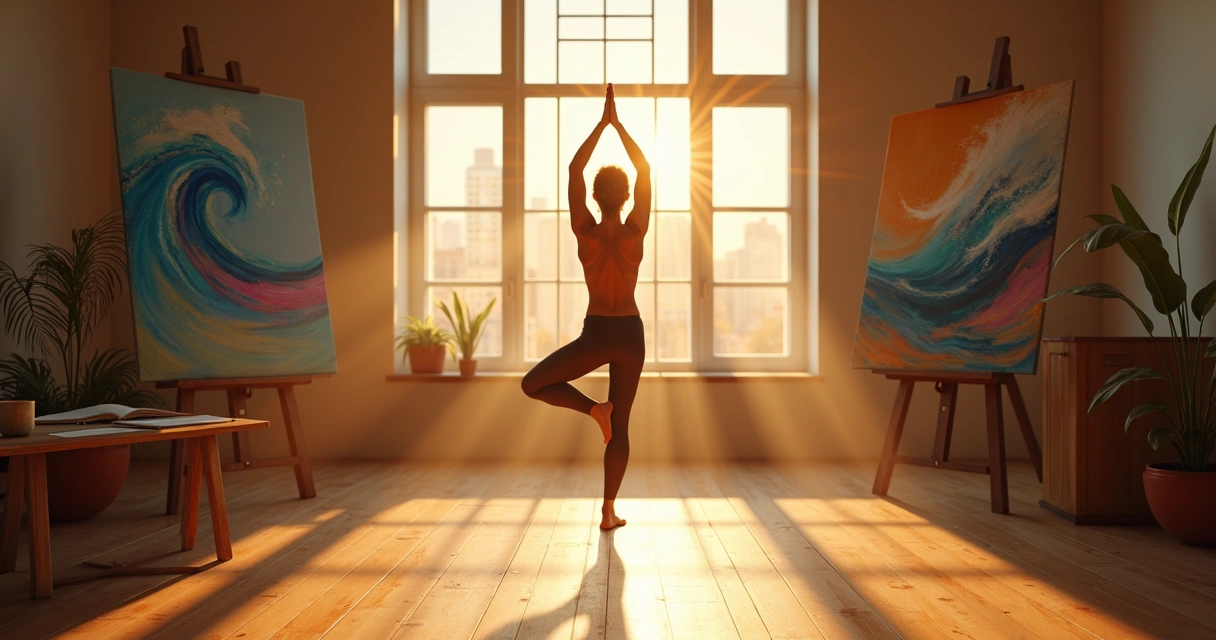
We all know the feeling. We sit down to create, solve, write, design, or imagine, and nothing moves. The mind feels crowded, the body feels dull, and even simple ideas seem far away. In our experience, this does not mean creativity is gone. It often means our inner rhythm is out of sync.
Creative flow returns more easily when the body and mind are invited back into relationship.
Many people treat creativity as a mental task only. We think that is one reason blocks last longer than they need to. Thought is only one part of the process. Breath, posture, sensation, rest, movement, and attention all shape how freely ideas can arise.
We have seen this in quiet daily moments. A person stares at a blank page for an hour, then takes a slow walk, loosens the shoulders, breathes deeper, and suddenly finds the first clear sentence. Not magic. Regulation.
Flow needs space.
Below, we share six mind-body rituals that can help us reconnect with creative flow in a grounded and repeatable way. They are simple, but they are not shallow. Each one helps shift us from pressure into presence.
Start with a two-minute body scan
Before we ask for ideas, we can ask a better question: what is happening in the body right now? Many creative blocks are tied to tension we have not noticed yet. A tight jaw, raised shoulders, shallow breathing, a clenched stomach. These signals shape our mental state.
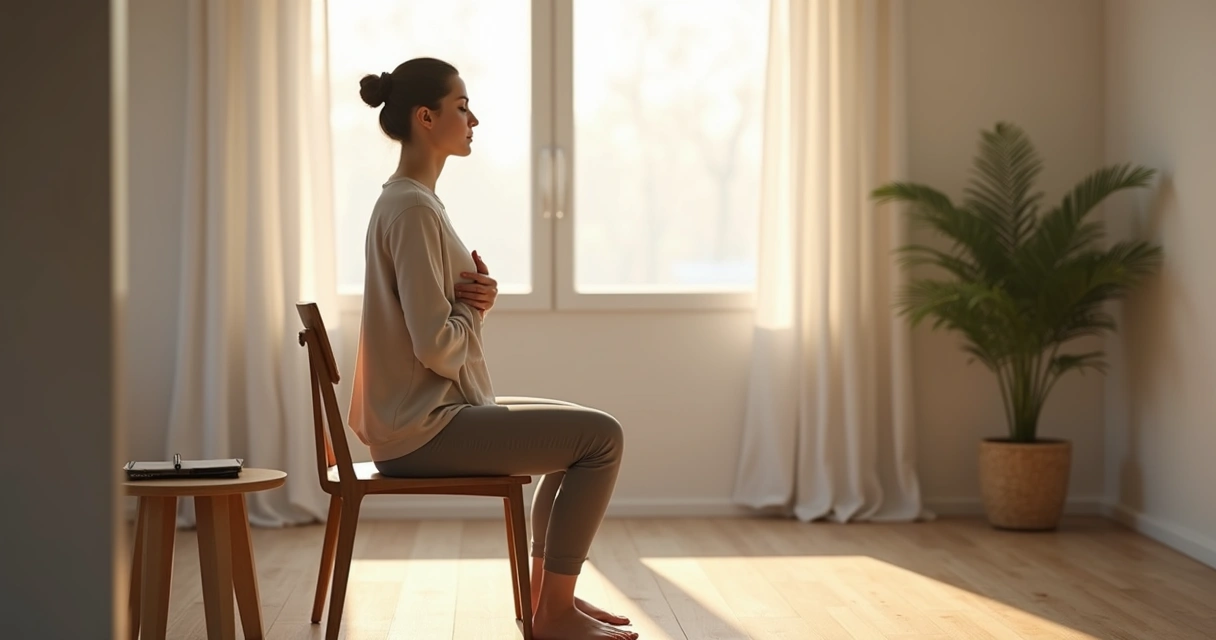
Try sitting still for two minutes. Close the eyes if that feels comfortable. Bring attention from head to toe without trying to fix anything at first. Just notice.
Is the forehead tense?
Is the chest open or collapsed?
Are the hands gripping?
Is the breath fast, thin, or held back?
After noticing, soften one area at a time. Let the exhale get longer. Uncross the legs. Drop the shoulders. This ritual works because awareness changes the state we are in. When the body feels safer, the mind tends to loosen its grip.
A short body scan can interrupt stress before stress turns into creative paralysis.
Use rhythmic breathing before creative work
Breath is one of the fastest ways to shift inner state. When we feel rushed, our breath becomes small and high in the chest. That pattern tells the nervous system to stay alert. Creative work usually asks for another mode, one with openness, patience, and range.
A simple ritual is to breathe in for four counts and out for six counts for three to five minutes. No strain. No dramatic effort. Just a steady rhythm.
This can be done before writing, sketching, planning, or any task that asks for original thought. We like this ritual because it is discreet and easy to repeat. It also creates a clear threshold between outer noise and inner focus.
Sometimes people expect flow to begin with intensity. We have often found the opposite. It begins with steadiness.
Walk without input for ten minutes
There is a difference between moving and being moved. A walk while checking messages, listening to updates, or reacting to constant sound may refresh us a little, but it rarely clears deeper mental clutter. A walk without input does something else.
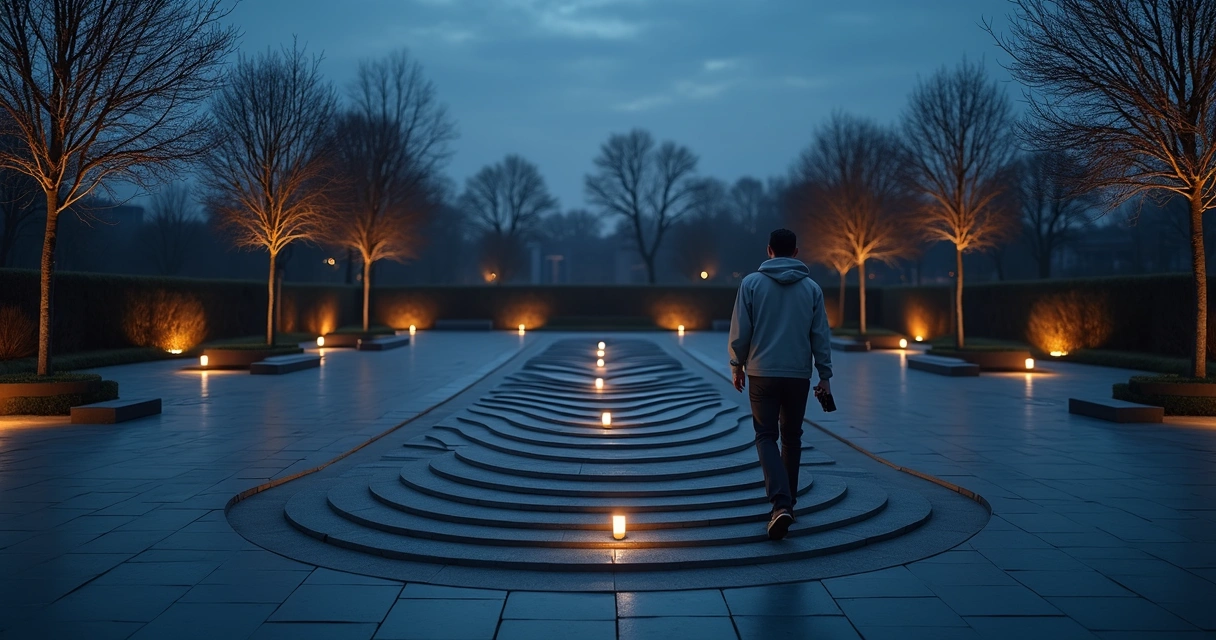
We suggest ten minutes of walking with no phone in hand and no audio in the ears. Let the eyes rest on real distance. Let the arms swing. Feel the contact of the feet with the ground.
This ritual helps because it gives attention a wider field. When attention widens, thought often becomes less rigid. New links form. Fragments settle into order.
We have heard many versions of the same story. Someone stops trying so hard, steps outside, and halfway down the street the answer arrives on its own. Not because they gave up, but because they changed state.
Movement can free thought.
If possible, take this walk before the moment of creation, not only after frustration appears. Prevention is gentler than repair.
Create a sensory entry point
The mind responds well to signals. If we always begin creative work in a scattered way, the brain and body do not learn a stable pattern. A sensory entry ritual can teach them that a different mode is beginning now.
This does not need to be elaborate. In fact, simple works best. Choose three signals and repeat them often.
Light a candle or open the window for fresh air.
Place one object on the desk that relates to the work ahead.
Play the same low, non-distracting sound for the first five minutes.
These cues help the nervous system settle into familiarity. Familiarity lowers resistance. The ritual becomes a bridge between ordinary time and creative time.
Consistent sensory cues can train the body to enter a more receptive state.
We should also keep this ritual clean. If the same sound or scent is tied to stress, clutter, or rushing, it loses its value. The point is not decoration. The point is association.
Shake out stored tension
Some blocks are not mental at all. They are physical residue. Long sitting, held emotion, too much screen time, and quiet pressure can all gather in the body. When that happens, stillness alone may not help. We may need release first.
Stand up. Shake the hands, arms, shoulders, and legs for one minute. Twist gently from side to side. Bend the knees. Roll the neck slowly. Then pause and notice the difference.
This ritual can feel almost too simple, yet it often changes more than expected. We have seen people go from mental fog to clear engagement after ninety seconds of movement. The body was carrying what the mind could not name.
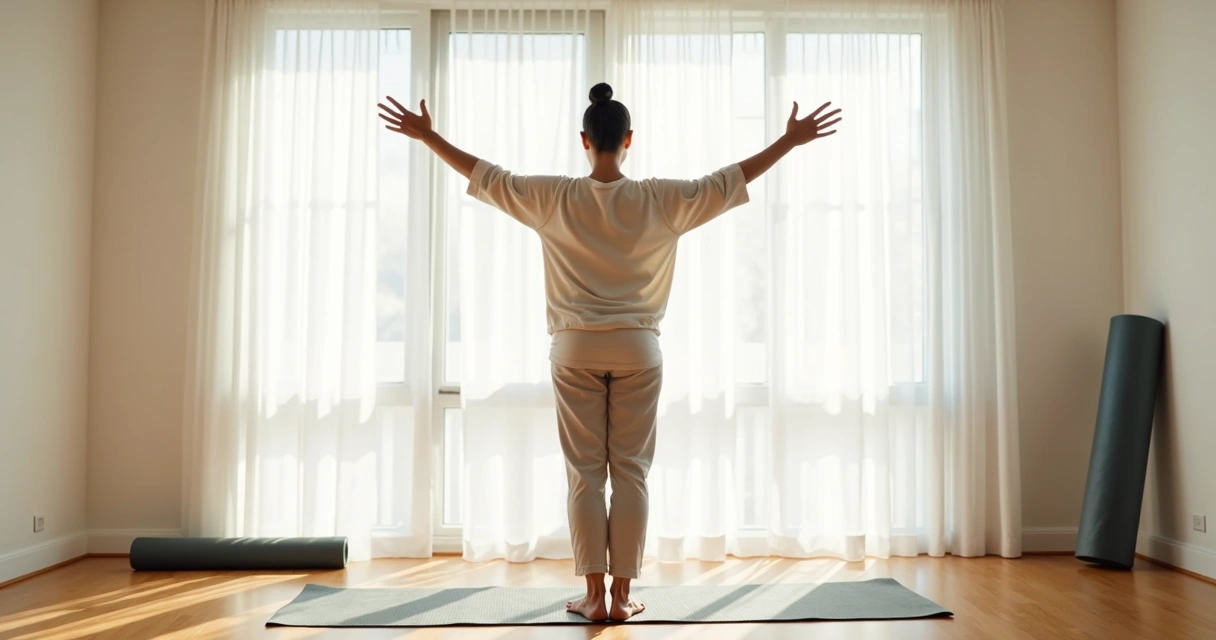
Short movement also helps when we are stuck mid-task. Instead of forcing another hour in the same state, reset the body and return with a cleaner signal.
End with reflective freewriting
Creative flow is easier to revisit when we learn from it. That is why we value a closing ritual, not just an opening one. At the end of a work session, spend five minutes freewriting about what felt open, what felt blocked, and what wants to continue tomorrow.
Write without editing. Keep the hand moving. The goal is not beauty. The goal is continuity.
This practice does three helpful things:
It clears unfinished thoughts from the mind.
It gives emotional tone a place to land.
It leaves a trail we can return to later.
Over time, patterns appear. We notice which times of day support us, which environments tighten us, and which rituals truly help. That kind of honesty makes creative life more humane.
Conclusion
Creative flow is not only a gift that appears when it wants. It is also a condition we can support. When we care for breath, posture, movement, sensory cues, and reflection, we give imagination a steadier home.
We do not need six rituals every day. One or two practiced with care can already shift a great deal. The aim is not perfection. It is reconnection.
When the body settles, creative life often begins to speak again.
Frequently asked questions
What is a mind-body ritual?
A mind-body ritual is a repeated practice that links physical awareness with mental focus. It can include breath, movement, posture, touch, or reflection. Its purpose is to help us shift state with intention rather than wait passively for clarity.
How do mind-body rituals boost creativity?
They help reduce internal noise and improve presence. When tension lowers and attention becomes steadier, the mind can form connections with less strain. Creativity tends to grow when we feel regulated, alert, and open.
Which ritual is best for beginners?
We think rhythmic breathing is one of the easiest starting points. It takes only a few minutes, needs no equipment, and can be done almost anywhere. A short body scan is also a good first step for people who want something quiet and simple.
How often should I practice these rituals?
Daily practice works well, even in small doses. We have found that consistency matters more than length. Two to five minutes before creative work can be enough to build a stable pattern over time.
Can these rituals reduce creative block?
Yes, they often can. Creative block is not always a lack of ideas. Sometimes it is a sign of overload, tension, or disconnection. Mind-body rituals can help us reset that state, which makes it easier for ideas to return.